Homemade Egg Pasta: The Simplest Path to Culinary Bliss
Imagine a dish so simple yet so satisfying, a culinary art form passed down through generations, now made accessible in your own kitchen. Learning
how to make homemade pasta egg pasta from scratch is not just about cooking; it's an experience, a mindful journey that results in incredible flavor and texture that store-bought varieties simply can't match. Forget the intimidating machinery and complex ingredient lists; we're about to show you how to craft exquisite fresh egg pasta with just two humble ingredients and the power of your own two hands.
This comprehensive guide will demystify the process, empowering you to create delicious, tender pasta noodles, sheets, and shapes without a pasta machine. We'll cover everything from selecting the right flour to the satisfying art of hand-rolling, ensuring your first foray into fresh pasta making is a resounding success. Get ready to impress your taste buds and unleash your inner artisan!
The Magic Duo: Flour and Eggs
The foundation of any great homemade egg pasta lies in its incredibly simple ingredient list: flour and eggs. Yet, within this simplicity lies a world of subtle nuances that can elevate your pasta from good to extraordinary. Understanding these ingredients is key to mastering your dough.
Choosing Your Flour: 00, All-Purpose, or Beyond?
When it comes to authentic Italian pasta, '00' flour (Tipo 00) is often hailed as the gold standard. This finely milled Italian flour, named for its texture and purity (00 being the finest grind), produces an incredibly tender, silken pasta that cooks beautifully. Its low protein content results in a dough that is pliable and easy to work with, yielding delicate pasta that melts in your mouth. If you’re serious about replicating that true trattoria experience,
mastering fresh egg pasta flour selection starts here.
However, don't let the absence of 00 flour deter you! All-purpose flour is a perfectly viable substitute and what many home cooks successfully use. Pasta made with all-purpose flour might be slightly chewier and require a tad longer cooking time, but it will still be leagues ahead of most dried options.
For those looking to experiment, other flours like semola (semolina flour) or durum flour offer distinct characteristics. Both are derived from durum wheat. Semola, with its coarser texture, adds elasticity and a pleasant bite, making it excellent for shaped pasta that holds its form and allows sauces to cling beautifully. Durum flour, being finer, provides a balance of pliability and strength, often favored for softer shapes like spaghetti or lasagna sheets. While our focus here is on the two-ingredient egg pasta, understanding these options can open doors for future pasta adventures.
The Role of Eggs: Liquid Gold
Eggs are the soul of egg pasta, providing not just the necessary liquid for the dough but also imparting richness, a beautiful golden hue, and crucial binding properties. For the best results, opt for large, fresh, free-range eggs. The yolks of free-range eggs often boast a deeper, more vibrant color, which translates directly into the visual appeal of your pasta.
A general rule of thumb for pasta dough is approximately one large egg per 100 grams (about 3/4 cup) of flour. This ratio provides a good starting point, but remember that factors like egg size, flour brand, and even ambient humidity can influence the dough's hydration. Learning to feel your dough is more important than strict measurements; it's an intuitive skill you'll develop with practice.
Crafting Your Dough: The Hands-On Experience
This is where the magic truly begins – transforming simple ingredients into a living, elastic dough. While a stand mixer or food processor can certainly aid in the initial mixing, making pasta by hand connects you to a timeless tradition and provides an unmatched sense of accomplishment.
Method 1: The Traditional Well (By Hand)
1.
Mound Your Flour: On a clean, large work surface (a wooden board is ideal, but a clean countertop works too), pour your flour into a neat mound.
2.
Create the Well: Use your fist or a spoon to create a deep, wide well in the center of the flour mound, like a volcano crater. Ensure the walls are sturdy enough to contain the eggs.
3.
Add the Eggs: Crack your eggs directly into the well. For a slightly richer dough, some chefs add a tablespoon of olive oil, but for pure two-ingredient pasta, eggs are enough.
4.
Gently Incorporate: Using a fork, carefully begin to whisk the eggs in the well, slowly drawing in small amounts of flour from the inner walls. Continue this process, gradually incorporating more flour, until a thick, shaggy paste forms. Be careful not to break the walls too early, or your eggs will run all over your work surface!
5.
Bring Together: Once most of the flour has been incorporated and the mixture is too thick for a fork, scrape everything together with a bench scraper or your hands. It will look messy and crumbly initially.
6.
Kneading: The Heart of the Dough: This is the most crucial step for developing gluten and achieving that perfect pasta texture. Flour your hands lightly and begin to knead the dough.
* Push the dough away from you with the heel of your hand, then fold it back over. Rotate the dough slightly and repeat.
* The initial stage will be sticky and messy. Persevere! As you continue to knead, the dough will transform. It will become smoother, less sticky, and more elastic.
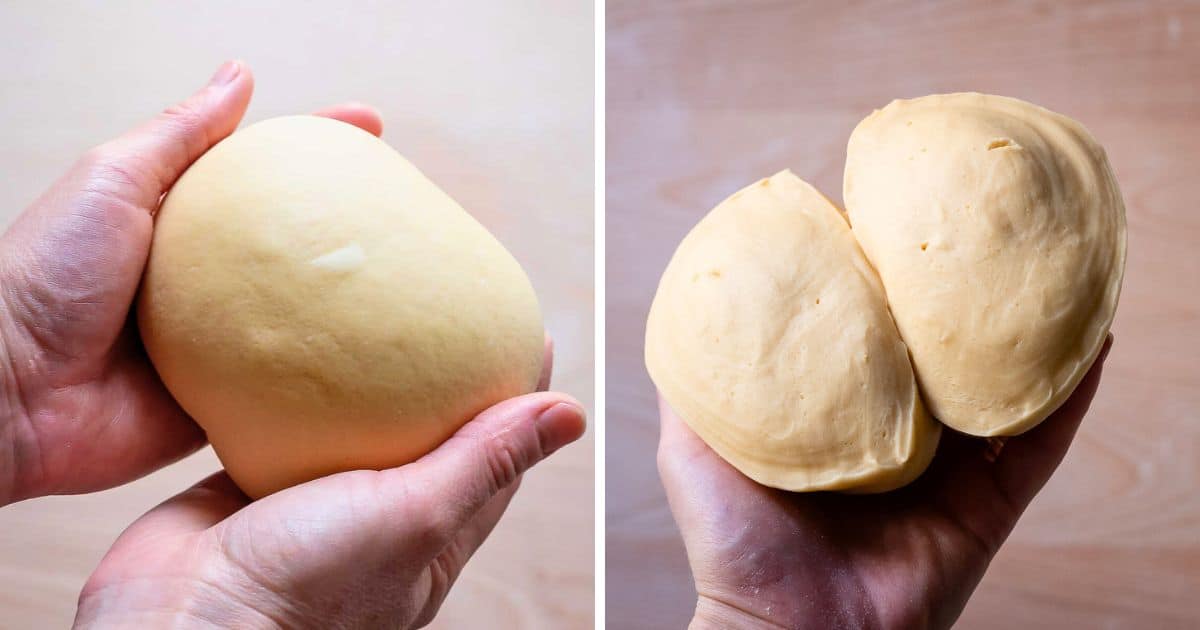
* Knead for 10-15 minutes, or until the dough is smooth, firm, and elastic, springing back when gently poked. It should feel like a baby’s bottom – soft but resilient.
7.
Resting: The Essential Pause: Form the kneaded dough into a ball, wrap it tightly in plastic wrap (to prevent drying), and let it rest at room temperature for at least 30 minutes, or up to an hour. This resting period is vital; it allows the gluten to relax, making the dough much easier to roll out thinly without tearing.
Method 2: The Food Processor (Quick Start)
If you prefer a quicker start, a food processor can handle the initial mixing. Simply place the flour and eggs into the food processor bowl and pulse until the mixture resembles coarse breadcrumbs. Tip this mixture onto your work surface and bring it together with your hands, then proceed with the kneading step as described above. While efficient, you'll still need to finish by hand to achieve the optimal texture.
For a deeper dive into the traditional techniques of dough preparation, kneading, and beyond, learn more about the entire hand-making process from dough to drying in our guide:
Make Authentic Egg Pasta By Hand: Dough to Drying.
Rolling & Shaping Without a Machine: The Art of the Rolling Pin
This is where the "no machine needed" promise truly shines. With a good rolling pin and a bit of elbow grease, you can achieve wonderfully thin pasta sheets.
1.
Prepare Your Surface: Lightly dust your clean work surface and rolling pin with flour. Keep extra flour nearby for dusting as needed.
2.
Divide the Dough: If working with a large batch, divide your rested dough into smaller, more manageable portions (e.g., quarters). Keep the unused portions covered to prevent them from drying out.
3.
Initial Flattening: Take one portion and flatten it into a disc with your hands.
4.
Rolling Technique:
* Place the rolling pin in the center of the dough and roll outwards, away from you, applying even pressure.
* Rotate the dough a quarter turn after each roll. This ensures an even thickness and prevents the dough from sticking too much to the surface.
* Continue rolling and rotating. If the dough starts to stick, gently lift it and dust a tiny bit more flour underneath and on top.
* The goal is to roll the dough as thinly as possible. You should aim to be able to see your hand faintly through the sheet of pasta. This takes practice, but thin pasta is key to a delicate texture.
5.
Shaping Your Pasta: Once your sheet is rolled to your desired thinness:
*
For Tagliatelle or Fettuccine: Lightly dust the pasta sheet with flour. Fold it loosely in half, then in half again, creating a rectangular packet. Using a sharp knife, slice the folded dough into strips of your desired width (e.g., 1/4 inch for tagliatelle, 1/2 inch for fettuccine). Unfurl the strips immediately and toss them lightly with flour to prevent sticking.
*
For Lasagna Sheets: Simply cut the large rolled sheet into rectangular portions suitable for your lasagna dish.
*
For Other Shapes: Use your knife to cut squares for ravioli or tortellini, or get creative with free-form shapes.
Lay your fresh pasta on a lightly floured surface or a drying rack while you roll and cut the remaining dough.
Beyond the Basics: Cooking, Storage, and Enjoyment
Once you’ve mastered
how to make homemade pasta egg pasta, the next step is enjoying your creation.
*
Cooking Fresh Pasta: Fresh pasta cooks significantly faster than dried pasta – often in just 2-4 minutes, depending on its thickness and shape. Bring a large pot of salted water to a rolling boil. Add your fresh pasta and cook until al dente. Taste frequently to ensure it's cooked to your preference.
*
Serving: Fresh pasta's delicate flavor truly shines with simple sauces. A classic butter and sage sauce, a light tomato sauce, or a rich bolognese all pair beautifully.
*
Storage:
*
Short-term: Fresh pasta can be stored loosely covered in the refrigerator for 1-2 days.
*
Long-term: For longer storage, you can either dry your pasta or freeze it. To dry, lay it out on a drying rack or lightly floured surface for several hours until brittle. Once dry, store in an airtight container at room temperature for several weeks. To freeze, arrange the pasta in a single layer on a baking sheet and freeze until solid, then transfer to a freezer-safe bag for up to a month. Cook directly from frozen, adding a minute or two to the cooking time.
Conclusion: The Reward of Homemade
Making homemade egg pasta with just two ingredients and no machine is more than just a recipe; it's a testament to the idea that the best things in life are often the simplest. From the tactile pleasure of kneading the dough to the satisfying aroma of freshly cooked pasta, every step is a rewarding experience. You'll not only savor a meal that's fresher and more flavorful than anything store-bought, but you'll also gain a new skill and a deeper appreciation for the culinary arts. So roll up your sleeves, embrace the flour, and discover the unparalleled joy of creating perfect homemade egg pasta right in your own kitchen.